
Is Invisalign Worth It?
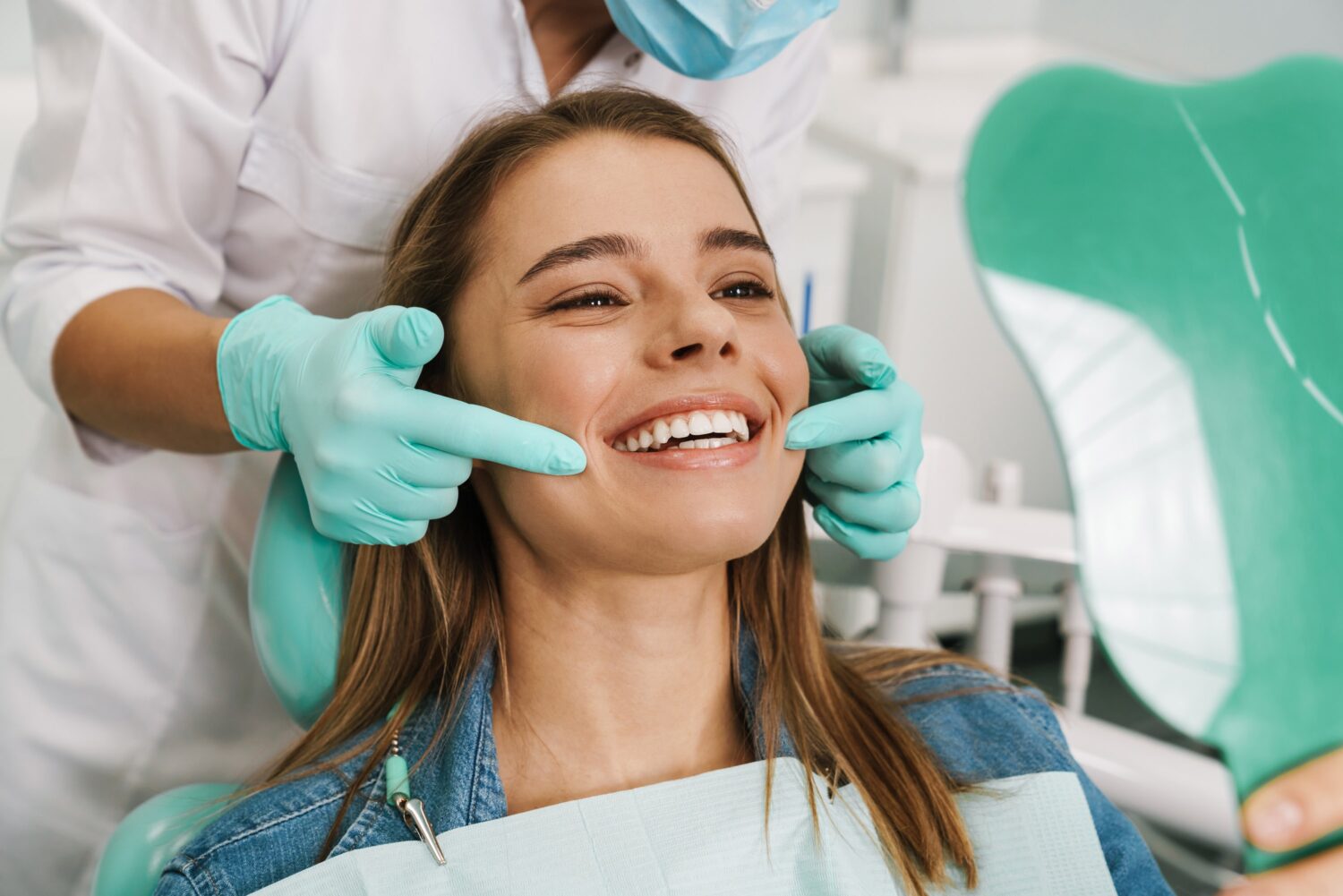
Invisalign straightens your teeth using a series of clear, removable aligners instead of brackets and wires. Those are real advantages, but the cost and daily commitment make people think twice.
Is Invisalign really worth it?
To figure that out, you need to look at the benefits, costs, treatment process, payment options, and other important factors. Read on as we break down what you’re getting with Invisalign and what you should consider before committing to treatment.
What Is Invisalign?
Invisalign straightens your teeth using a series of clear, removable aligners instead of brackets and wires. You wear each set for a certain amount of time before moving on to the next, with each new set gradually shifting your teeth closer to where they need to be. You’ll also check in with your dentist along the way to make sure everything is moving as planned.
Invisalign Is Often Worth It
For many patients, Invisalign is worth the investment. It can improve your smile without some of the hassles that come with traditional braces. Millions of people have used Invisalign, and it has become a well-established option for treating a range of orthodontic concerns.
Still, Invisalign requires both a financial and daily commitment. Getting your money’s worth depends in part on whether Invisalign is appropriate for the changes your teeth need and whether you follow your treatment plan. A dentist can evaluate your teeth and bite and give you an idea of what kind of results you can reasonably expect.
Before making a decision, think about what you want from treatment and what you’re comfortable spending to get there. You’ll also want to know what Invisalign involves from start to finish. Looking at the benefits, costs, and treatment process can help you decide whether it makes sense for your situation.
What Are the Main Benefits of Invisalign?
One of the biggest advantages of Invisalign is how the aligners look. Clear aligners are much less noticeable than brackets and wires. This is appealing to adults and teens who don’t want their orthodontic treatment to stand out.
They’re also removable, which makes everyday life a little easier. You can take them out when you eat, so you don’t have to avoid foods like popcorn, corn on the cob, or anything else that can be tricky with braces. You’ll still need to put them back in as directed, but mealtimes are generally less restrictive.
Brushing and flossing can be easier with Invisalign, too. Since you take the aligners out, you can clean your teeth like you normally would instead of working around the brackets and wires that come with traditional metal braces.
Invisalign can also be more comfortable to wear. There are no metal brackets or wires rubbing against the inside of your mouth, though you may still feel some pressure or soreness when you switch to a new set of aligners.
If appearance, flexibility, and easier daily care are important to you, those benefits may make the higher cost of Invisalign worth it.
Is Invisalign Better Than Braces?
Invisalign can be better than braces for some patients, but the answer mostly depends on what needs to be corrected. Patients considering other clear-aligner options can also learn more about ClearCorrect aligners.
Invisalign can treat many common orthodontic concerns, including crowding, gaps, and certain bite problems. However, braces may give a dentist or orthodontist more control when addressing more complicated cases.
Age and personal habits can also play a role. Someone who can keep up with the requirements of Invisalign may do well with clear aligners. Braces may be a better fit if you don’t want to worry about putting your aligners in, taking them out for meals, and remembering to wear them for most of the day.
Your dentist will look at how much your teeth need to move, whether your bite needs correcting, and how complex the case is. From there, they can tell you if Invisalign can handle the job or if braces would give you a better result.
How Much Does Invisalign Cost?
There isn’t one set price for Invisalign. Treatment usually costs several thousand dollars, and in many cases, the total can be similar to braces.
Invisalign is typically priced as a full course of treatment rather than by the individual aligner. Depending on the dental office, that price may include digital scans, routine checkups, refinement aligners, and retainers. Other offices may charge separately for some of those services.
Before comparing quotes, make sure you know what each one actually includes. Ask whether imaging, follow-up visits, refinements, and retainers are part of the total price or whether they’ll cost extra later. Natomas Crossing Dental Care also offers payment and financing options that may help make treatment more manageable.
For an exact price, you’ll need a personalized quote.
What Factors Influence Invisalign Cost?
Your Invisalign cost depends largely on what needs to be corrected. Minor crowding or small gaps can be fixed with short-term aligner treatment. But bigger alignment or bite problems can take more time, planning, and money to correct.
Your provider and location can also affect the price. Fees can vary from one dental office to another and from one part of California to another.
Other factors may include how long treatment lasts and whether you need extra procedures before or during treatment. In some cases, a dentist may also recommend seeing an orthodontist or another specialist, which can add to the overall cost.
What Is the Invisalign Treatment Process Like?
Invisalign treatment starts with an exam and digital scans or images of your teeth. Your dentist uses them to map out how your teeth need to move and make sure Invisalign is a good fit for your case.
Once your Invisalign aligners are ready, you’ll wear each set for a certain amount of time before switching to the next one. Most patients need to keep them in for 20 to 22 hours a day and take them out mainly for eating, drinking, brushing, and flossing.
You’ll also go in for checkups so your dentist can make sure your teeth are moving as planned. If your teeth need a little more adjusting near the end, you may get additional aligners, known as refinements, to finish the job.
After you finish treatment, you’ll usually wear an orthodontic retainer to help keep your teeth in their new positions. Before you start treatment, ask whether your first retainer is included in the price and how much a replacement will cost if you need a new one later.
Get Invisalign at Natomas Crossing Dental Care
At Natomas Crossing Dental Care, our dentists and staff take the time to understand your goals, walk you through your options, and answer your questions from the start.
We combine modern dental technology with a strong focus on quality care and patient education. And because we offer a full range of dental care products and services, we can look after your overall oral health while you’re going through treatment.
If you’re ready to learn more about Invisalign in Sacramento, contact Natomas Crossing Dental Care or call 916-928-9999 to schedule a consultation.
Frequently Asked Questions About Invisalign
Does Invisalign Really Work?
Yes. Invisalign works well for many common alignment and bite problems. If you’re a good candidate and wear the aligners as directed, you’ll see your teeth move into better alignment.
How Long Do Invisalign Results Last?
The results can last for years, especially if you wear your retainer as instructed. That helps keep your teeth from shifting back and protects the time and money you put into treatment. Without a retainer, your teeth can gradually move out of place again, even after successful treatment.
Does Dental Insurance Cover Invisalign?
Some plans will cover part of the cost through orthodontic benefits. It’s worth checking before you start because even partial coverage can make treatment more affordable. Natomas Crossing Dental Care accepts most insurance plans and offers financing options for eligible patients. You can also review current Invisalign and dental special offers.
Is Invisalign Worth It for Minor Tooth Movement?
It can be. Minor cases may take less time, and a small change can still make a noticeable difference in your smile. If you only need to close a small gap or fix mild crowding, Invisalign may give you the results you want without a long treatment timeline.
How Long Does Invisalign Take?
Many Invisalign cases take about 6 to 18 months, but your dentist can give you a more useful estimate after looking at your teeth. Small corrections may take only a few months, while bigger bite or alignment changes can push treatment past a year.
Your estimated finish date also assumes your teeth respond to treatment as expected. If certain teeth move more slowly, your dentist may adjust the plan along the way.