
Dental Implants vs. Dentures: Which Option Is Right for You?
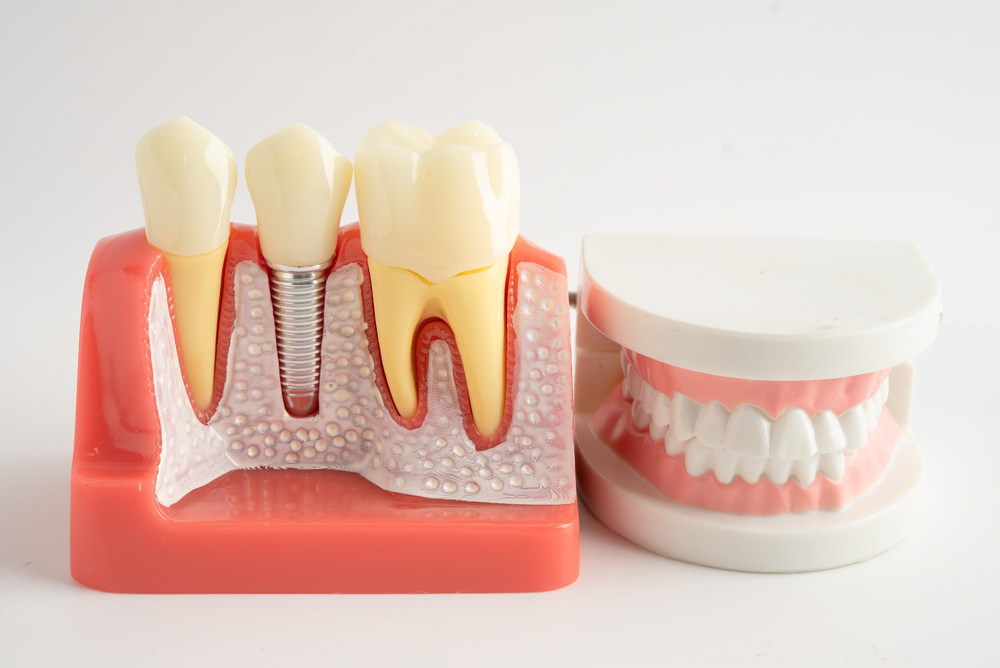
Are you missing one or more teeth? If so, you’ve probably heard of dental implants or dentures. Before choosing between the two, it’s important to understand how each option works, what benefits they offer, and which factors may affect your decision.
Read on to learn about the main differences between dental implants and dentures. By the end, you’ll feel better prepared to talk with your dentist about your options.
What Are Dental Implants and Dentures?
Dental implants are permanent tooth replacements. A small post is placed in the jawbone, and a crown, bridge, or denture is attached to it. Because implants are secured directly into the jawbone, they mimic natural tooth roots and help support a strong bite.
Dentures are removable appliances that replace missing teeth. Instead of being placed in the jawbone, they rest on top of the gums.
Partial dentures are used when you’re missing some teeth but still have healthy natural teeth left. They fit around the remaining teeth and help fill in gaps. A full denture, also called a complete denture, replaces all teeth in the upper arch, lower arch, or both.
Both dental implants and dentures can help rebuild your smile and make daily activities like eating and speaking easier.
Dental Implants vs Dentures: Key Differences
The main difference between dental implants and dentures is how they stay in place. Implants integrate with the jawbone, which creates a strong foundation for crowns, dental bridges, or dentures. Traditional dentures sit on the gums and can be removed.
That difference affects comfort, stability, appearance, maintenance, cost, and longevity. Implants are fixed, so they usually feel more secure during eating and speaking. Dentures can also restore function, but it can take time to get used to them. Some patients deal with sore spots, rubbing, or movement as their mouth adjusts.
Slipping dentures can make speaking or chewing harder. Fixed implants usually provide stronger bite support and clearer speech because they don’t shift in the mouth. Dentures can still work well, but they may not give you as much stability as implants.
From an aesthetics standpoint, both options can look natural when properly designed. Modern traditional dentures look much more realistic than older models. But since dental implants are anchored into the jawbone and the crown emerges seamlessly from the gum line, they tend to look more like natural teeth than dentures do.
Dental implants and dentures also differ in how they hold up over time. Implants are meant to be a long-term replacement and can last for decades with good care. Dentures usually need more upkeep as your mouth changes.
Daily care is different, too. Implants are brushed and flossed like natural teeth, while a removable denture needs to be taken out, cleaned, and stored safely when you’re not wearing it.
Cost is another important difference. Dentures often cost less upfront, which can make them the better choice if you’re replacing several teeth or working within a tighter budget.
Either treatment can be part of a lasting solution for tooth loss, depending on your specific needs.
Benefits of Dental Implants
Dental implants can help with a problem dentures can’t address in the same way: bone loss. When you lose a natural tooth, the jawbone in that spot no longer gets regular pressure from chewing. Over time, that area can shrink. Because implants act like artificial tooth roots, they help keep the bone active.
They’re also durable enough to last for decades with good dental hygiene and regular dental visits. Because they stay anchored in the jawbone, they give patients steady support for daily biting and chewing.
Dental implants give patients more freedom with their food options. They are designed to stay firmly in place while you chew foods like apples, steak, and corn on the cob. These foods can be harder to manage with loose or shifting dentures.
Implants can replace one tooth, several teeth, or an entire arch. Some patients use implants to support a bridge (implant-supported bridges), and others use several implants to secure a full row of replacement teeth.
Note: If you currently have gum disease, you may need periodontal treatment before moving forward with dental implants. Your dentist can also talk with you about healthier mouth habits that may help protect your gums and support long-term results.
Benefits of Dentures
For patients who want an affordable, non-surgical way to replace missing teeth, dentures may be best.
One of their main benefits is a lower upfront cost. Compared to implants, traditional dentures are often more budget-friendly at the start.
Dentures can also be a quicker path to replacing missing teeth. Since they don’t require implant surgery or months of healing, many patients can move from consultation to a finished denture in less time. That matters for patients who have time constraints, certain health conditions, limited jawbone support, or concerns about healing after a procedure. Dentures may also be a better fit when cost is the main concern.
Modern dentures have come a long way. Instead of looking unnatural or bulky, they can be shaped and shaded to look more like real teeth and gums.
Dentures can be made for different levels of tooth loss. If you still have healthy teeth, a partial denture can fill the spaces where teeth are missing. If you’re missing all the teeth in your upper or lower arch, a complete denture can replace the full row. A traditional denture rests on the gums and can be removed for cleaning.
If you’re wondering, “When is the time to get dentures?” talk to a professional. A dentist for seniors can tell you whether a partial denture, a complete denture, or another approach makes the most sense.
Cost Comparison: Dental Implants vs Dentures
Dental implants cost more upfront because they involve surgical placement, treatment planning, custom restorations, and healing time. Still, they offer stronger long-term value because they’re built to last and can help preserve jawbone health.
Dentures may also come with ongoing costs. Over time, they may need to be adjusted, relined, or replaced, so they continue to fit comfortably. A loose denture can leave you with gum irritation, sore spots, and chewing problems.
Several factors affect pricing for dentures and dental implants, including the number of teeth being replaced, the materials used, and whether any prep work is needed.
Some may need bone grafting before implant placement if there isn’t enough bone support. Other patients need a tooth extraction before getting implants, dentures, or implant-supported restorations. Learn more about extraction timelines in our article, “How long does a tooth extraction take?”
Because every patient is different, we recommend a consultation. It’s the best way to compare cost, timing, and long-term value. Your dentist can create a personalized treatment plan based on your oral health and goals.
Which Option Is Right for You in Sacramento?
The right option depends on what your teeth, gums, and jaw can support. Your dentist will consider your bone density, oral health, medical history, lifestyle, and budget before recommending a plan.
Implants need enough healthy jawbone to stay secure. If you’ve had missing teeth for a long time, the bone in that area may have started to shrink. Bone grafting can help in some cases, while dentures may be more practical in others.
Gum health matters, too. If you notice your gums bleeding during brushing, swelling, tenderness, or bad breath, you may need to be checked for gum disease. Your dentist may recommend gingivitis treatment or periodontal care before tooth replacement.
Your overall health can also play a part in your treatment plan. Some health conditions and medications can slow healing, while smoking and untreated gum disease can reduce implant success. For older adults, candidacy usually depends more on overall health than on age alone. Many seniors are good candidates for dental implants or implant-supported dentures.
Implant-supported dentures can be a helpful middle ground between dentures and implants. Instead of resting only on the gums, an implant-supported denture attaches to implants for added stability. This can reduce slipping and improve chewing comfort. Some dentures are removable, while others are fixed in place by the dentist.
Your dentist can compare implants, traditional dentures, partial dentures, and implant-supported options, so you can choose the right solution.
How Natomas Crossing Dental Care Can Help
Looking for Sacramento dental services? Natomas Crossing Dental Care walks patients through their tooth replacement choices with honest guidance and personalized recommendations. If you’re missing one tooth, several teeth, or a full arch, we’ll help you understand which treatments may fit your health, budget, and daily life.
Our practice provides restorative dentistry services such as dentures, dental implants, crowns, bridges, and implant-supported restorations. Your dentist will look at your teeth, gums, bite, jawbone density, and health history before walking you through any available treatments.
We prioritize planning because it helps patients understand what to expect. Imaging and a detailed exam help our team see if implants are realistic, if dentures are the more practical route, or if another restoration would work best.
Comfort matters, especially if dental anxiety has kept you from scheduling care. Sedation dentistry may help you feel calmer during treatment, and the team can explain how sedation can help you overcome dental anxiety if you need a more involved procedure.
During your consultation, you can ask about cost, timing, appearance, maintenance, and long-term results. By the end of your visit, you should feel more confident about your choices and what each treatment would mean for your smile.
Frequently Asked Questions About Dental Implants vs Dentures
Are dental implants better than dentures?
Neither option is always better. Dental implants are generally considered more stable and long-lasting, while dentures are often more affordable and less invasive upfront. The best choice depends on your individual needs.
How long do dental implants last?
With proper care and routine dental visits, implants can last several decades or longer.
Do dentures look natural?
Yes. Modern dentures are designed to closely resemble natural teeth and gums. A custom fit can also support your facial shape and improve comfort.
Can you switch from dentures to implants later?
Yes. Many patients transition from traditional dentures to implant-supported restorations over time. Your dentist can check your bone support and oral health to see whether implants are possible.
Which option is more affordable: Implants or dentures?
Dentures usually have a lower initial cost. Implants cost more upfront, but they may provide better long-term value due to durability and reduced maintenance.