What Can I Expect During and After Veneer Treatment?
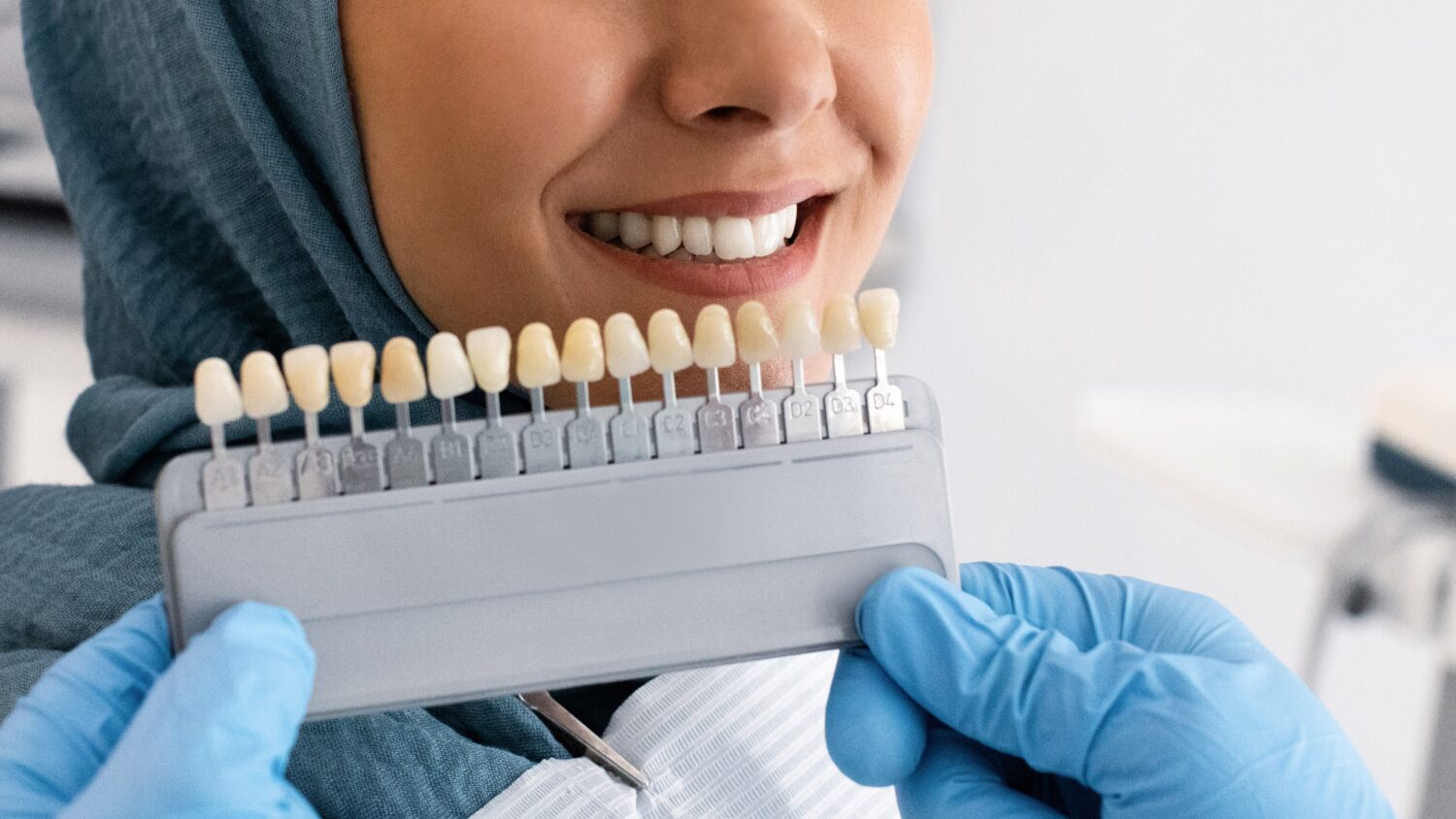
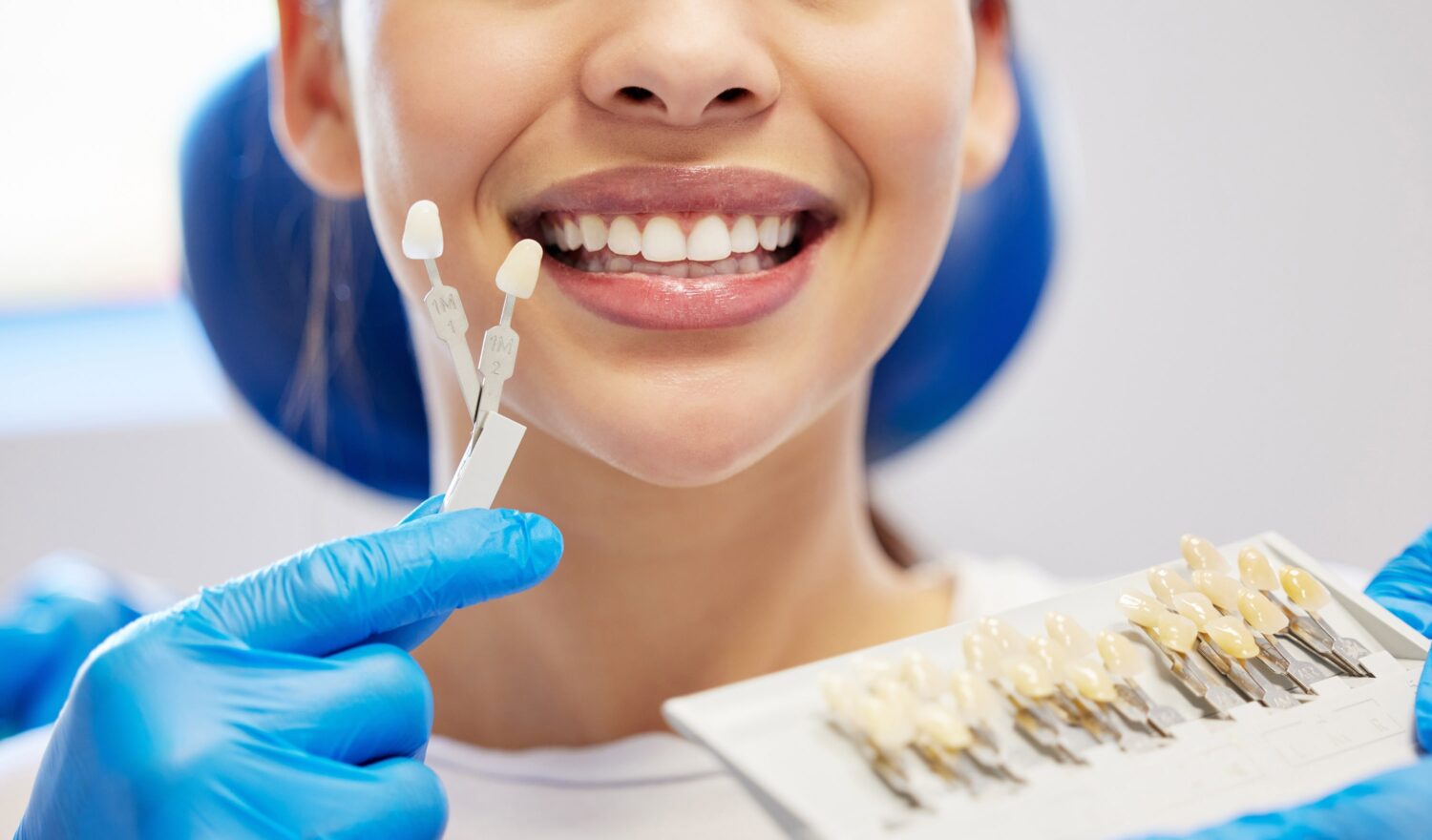
Your dentist will begin by examining your teeth and gums to make sure veneers are a good fit for your oral health. They may also take photos, scans, or impressions to plan the size, shape, and shade of your new veneers.
The next steps depend on the material you choose. Porcelain veneers usually require a small amount of enamel to be removed before impressions are sent to a dental lab. Temporary veneers may be placed while the permanent ones are being made. Once they’re ready, your dentist will check their color, shape, and fit, bond them to your teeth, and adjust your bite as needed.
Composite veneers are applied directly to the teeth, then shaped, hardened, and polished during a single visit.
There’s usually no extended recovery period. Most patients can return to their normal routine the same day, although mild sensitivity or gum soreness may last for a few days. Wait until any numbness wears off before eating, and contact your dentist if your bite feels uneven, a veneer feels loose, or discomfort doesn’t improve.
Are Dental Veneers Reversible?
Porcelain veneers are usually considered a permanent treatment because placing them often involves removing a thin layer of enamel. Once that enamel is gone, it can’t grow back, so the tooth will likely need to remain covered with a veneer or another restoration. Your dentist will let you know how much enamel may need to be removed and whether a minimal-prep option could work for your teeth.