
Conquering Dental Anxiety: How to Feel More Comfortable at the Dentist
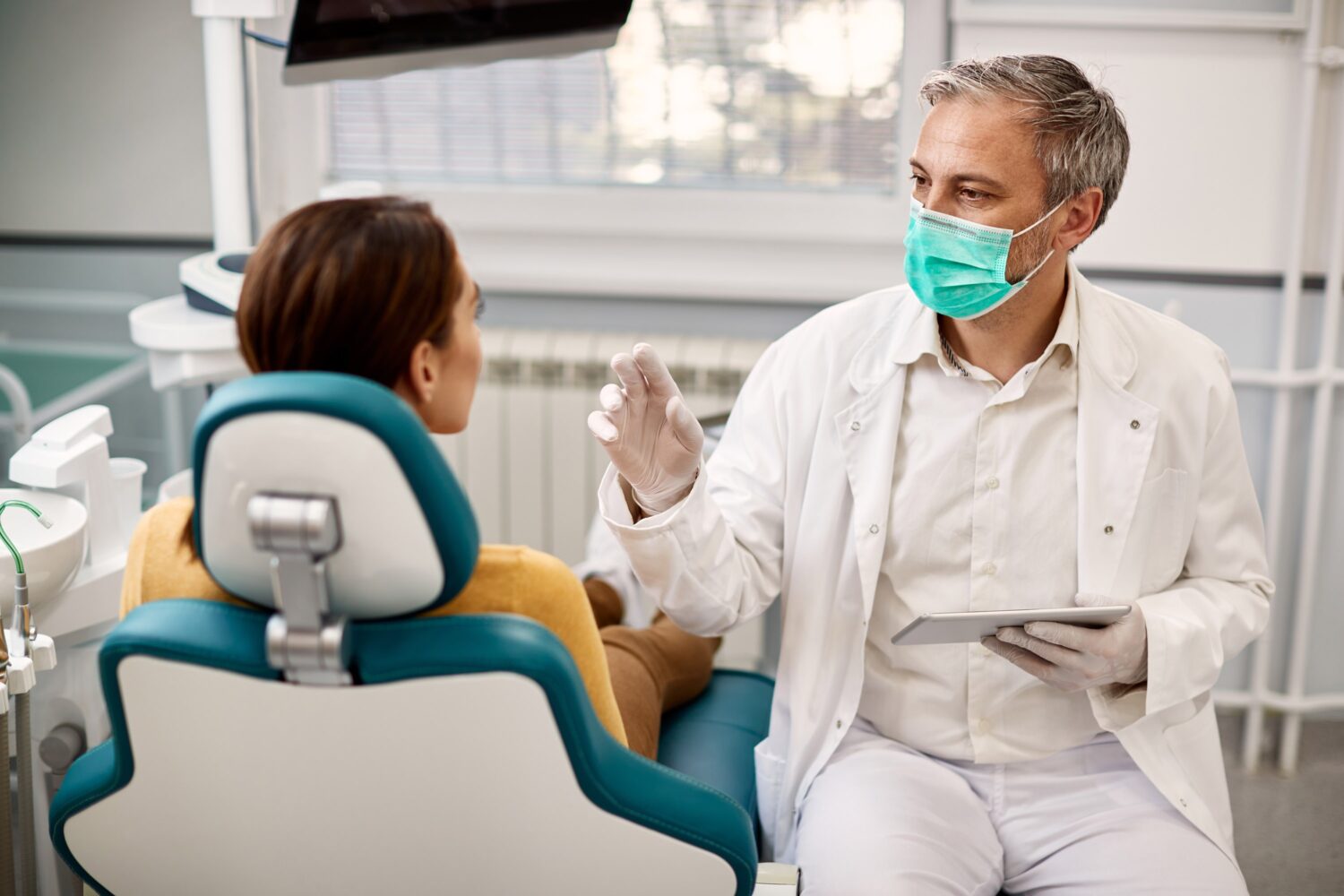
If the thought of sitting in a dental chair makes your heart race, you're not the only one. Many people are afraid of the dentist because of a painful past experience, fear of needles, or lack of control during a dental procedure. Dental anxiety is incredibly common and affects both adults and children.
For parents, dental fear can be equally stressful. Seeing a child panic before a dental appointment or refuse dental care altogether can be overwhelming. For others, severe dental anxiety leads to years of avoiding the dental office, even when there’s an obvious problem.
Here's the good news - dental medicine has changed. Today, family dentistry focuses on open communication and patient comfort. In this article, we’ll explain what dental anxiety really is, how it affects oral health, and what you can do to feel better during a dental visit. We’ll also cover modern solutions that make dental treatments gentler and less intimidating.
Understanding Dental Anxiety
Dental anxiety refers to feelings of fear, stress, or unease related to visiting the dentist or receiving dental treatment. For some, the anxiety is mild and manageable. For others, it develops into dental phobia, a more intense and persistent fear that leads to complete avoidance of dental care.
Dental phobia is not just nervousness. It can cause panic attacks, sleepless nights before a dental appointment, and strong physical reactions such as sweating, nausea, or a racing heartbeat. People with severe dental anxiety may cancel appointments repeatedly or avoid general dentistry altogether.
A 2025 study published in The Journal of the American Dental Association found that dental fear affects almost three-quarters of the adult population (over 72%). Of those with dental fear, 26.8% of adults have severe fear. About 30% of 2 to 6-year-old children have dental fear and anxiety, and about half of older children aged 7 to 11 are also affected.
What Causes Dental Anxiety?
Common causes of dental anxiety include:
- Painful or traumatic past dental experiences: A bad dental visit can stick with you for a long time. Even one uncomfortable appointment, especially as a child, can shape how you feel about the dentist years later.
- Fear of needles or injections: For many people, it’s the shot that causes the most stress. The worry leading up to it is often worse than the injection itself.
- Fear of pain: If you’re expecting pain, anxiety can build before you ever step into the dental office. These fears are often based on older experiences and don’t reflect how gentle modern dental care can be.
- Feeling helpless or out of control in the dental chair: Lying back while someone works on your teeth can make you feel vulnerable. Not being able to see what’s happening can increase anxiety.
- Embarrassment about teeth or oral health: Some people avoid the dentist because they’re worried about being judged. Feeling self-conscious about your teeth can be enough to delay care, even when you know something needs attention.
The Consequences of Untreated Dental Anxiety
Sometimes, anxiety can be so severe that it leads to these problems:
- Skipping routine cleanings
- Only seeking help when pain becomes severe
- Feeling intense worry days or weeks before a dental visit
Dental anxiety is recognized as a real condition, sometimes referred to as dentophobia.
If you struggle with dental anxiety, it's wise to seek care from professionals who understand your concerns. Meet our compassionate dental team; we are here to support you at every step.
How Dental Anxiety Impacts Oral Health
When routine dental care is delayed, minor issues can quickly turn into painful and complex problems.
Skipped cleanings and exams increase the risk of:
- Cavities
- Gum disease
- Infections
Plaque buildup hardens into tartar, which can only be removed by a dental professional. Left untreated, this tartar can cause chronic inflammation, bleeding gums, and eventually tooth loss.
The Cycle of Dental Anxiety
People with dental anxiety are more likely to need extensive restorative care. Issues that could have been managed with a simple filling can turn into a root canal, dental implant, or emergency dental procedure. Unfortunately, this only reinforces the anxiety and deepens the fear.
It creates a cycle that looks like this:
- Anxiety leads to avoiding dental care
- Oral health problems worsen over time
- Treatment becomes more complex or urgent
- Fear increases even more
Long-term oral health issues aren't limited to your mouth. Infections and chronic inflammation can affect your overall health. Those with dental issues may develop heart disease, diabetes complications, and systemic inflammation.
Many patients who once avoided the dentist say the biggest relief came from finally breaking that cycle. When you read real patient testimonials, you’ll realize two things: (1) you're not alone, and (2) change is possible.
Techniques to Help You Overcome Fear
There’s no one-size-fits-all solution for everyone's dental anxiety, but a few simple strategies can make a real difference:
- Focused breathing. Slow, deep breaths help calm your body and reduce the physical symptoms of anxiety. Practicing this before and during your dental visit can help you stay grounded.
- Distraction. Listening to music, a podcast, or even an audiobook can pull your attention away from what’s happening and make the time pass more quickly.
- Communication. Let your dentist know how you’re feeling, ask questions, and agree on a hand signal so you can pause the dental procedure at any time. Just knowing you have that control can ease a lot of fear.
- Starting small. Shorter visits or a simple consultation can help you build trust with your dental team without feeling overwhelmed. Over time, those visits will feel much easier.
- Reframing. Actively replace fearful thoughts with more realistic ones. When anxiety kicks in, remind yourself that modern dentistry is comfort-focused and that taking care of your dental health now lowers your chances of needing complex dental treatments later.
Want a better idea of what to expect? You can explore our full range of services; comfort plays a role in every treatment.
Modern Dental Technology That Reduces Anxiety
Dental technology has come a long way, and many of these improvements are especially helpful for anxious patients.
Digital Imaging
Digital imaging has made dental visits quicker and more comfortable than they used to be. Instead of bulky equipment or long waits, images are captured in seconds, which means less time sitting in the dental chair. These clearer images also help dentists spot issues earlier and explain what’s going on in a way that’s easy to understand.
Gentle Cleaning Tools
Dental cleaning tools are designed with you in mind. They’re quieter and generate less vibration, which can make a big difference if you’re sensitive to sounds or sensations. For many patients, these small improvements are enough to make cleanings much more tolerable.
Less Invasive Procedures and Faster Treatment Times
Many dental procedures are now less invasive; from dental bridges to dental implants to root canals and more, your comfort is prioritized from start to finish.
Learn more about advanced restoration options like dental bridges and how they’re carefully planned.
In addition to that, dental visits usually don't take all day, and healing tends to be quick (depending on the procedure, of course). Treatments that once took multiple visits can sometimes be completed in much less time.
Modern Anesthetics
Modern anesthetics are another big change. They work more quickly and effectively, making injections more comfortable than the average person would expect. For patients with severe dental anxiety, sedation dentistry can also be an option; it'll help you relax or sleep throughout a procedure.
What to Do If You Have a Dental Emergency but Are Anxious
Dental emergencies are stressful for anyone, but they can be even worse when you have anxiety. Still, delaying care can lead to much bigger problems.
The following are signs of a true dental emergency:
- Severe tooth pain
- Swelling
- Infection
- Heavy bleeding
- Knocked-out tooth
In the above cases, getting treatment right away is essential for protecting your oral health.
Dental teams are trained to help anxious patients during emergencies by giving clear explanations, communicating calmly, and ensuring you're as comfortable as possible. Getting compassionate same-day care can make a frightening situation feel so much more manageable.
Plus, today’s emergency dental treatment focuses on relieving pain first. Fast-acting anesthetics and gentle techniques make for pain-free treatments.
If you’re worried about how you’ll handle an urgent visit, learning how things go can help. Here’s some information about emergency dental treatment in Sacramento.
When to Talk to Your Dentist About Your Anxiety
As soon as you feel ready, tell your dentist how you feel. Dental anxiety is common, and many dentists are trained to support fearful patients.
When you’re open about your anxiety, your dentist can tailor your care in a way that reduces negative feelings. This may mean slowing down during a procedure, allowing you to take breaks, giving more detailed explanations, or offering specific comfort options.
Family dentistry practices are especially focused on creating a calm, supportive environment for both children and adults. Some patients start with a gentle introduction visit, where there’s no treatment at all - just a conversation and a chance to conquer your fear.
If future care includes procedures like dental implants, addressing anxiety early helps to make things far less stressful.
Ready to move past the fear and feel more at ease in the dentist’s chair? Natomas Crossing Dental Care delivers gentle treatment and open communication in a patient-first environment. Contact us to schedule a visit and start building a positive relationship with the dentist.
Dental anxiety doesn’t define you, and it doesn’t have to stand in the way of your oral health. With the right support, modern care, and a dental team that listens, you can overcome your dental anxiety.