
Effect of Smoking on Teeth: What It Really Does to Your Oral Health
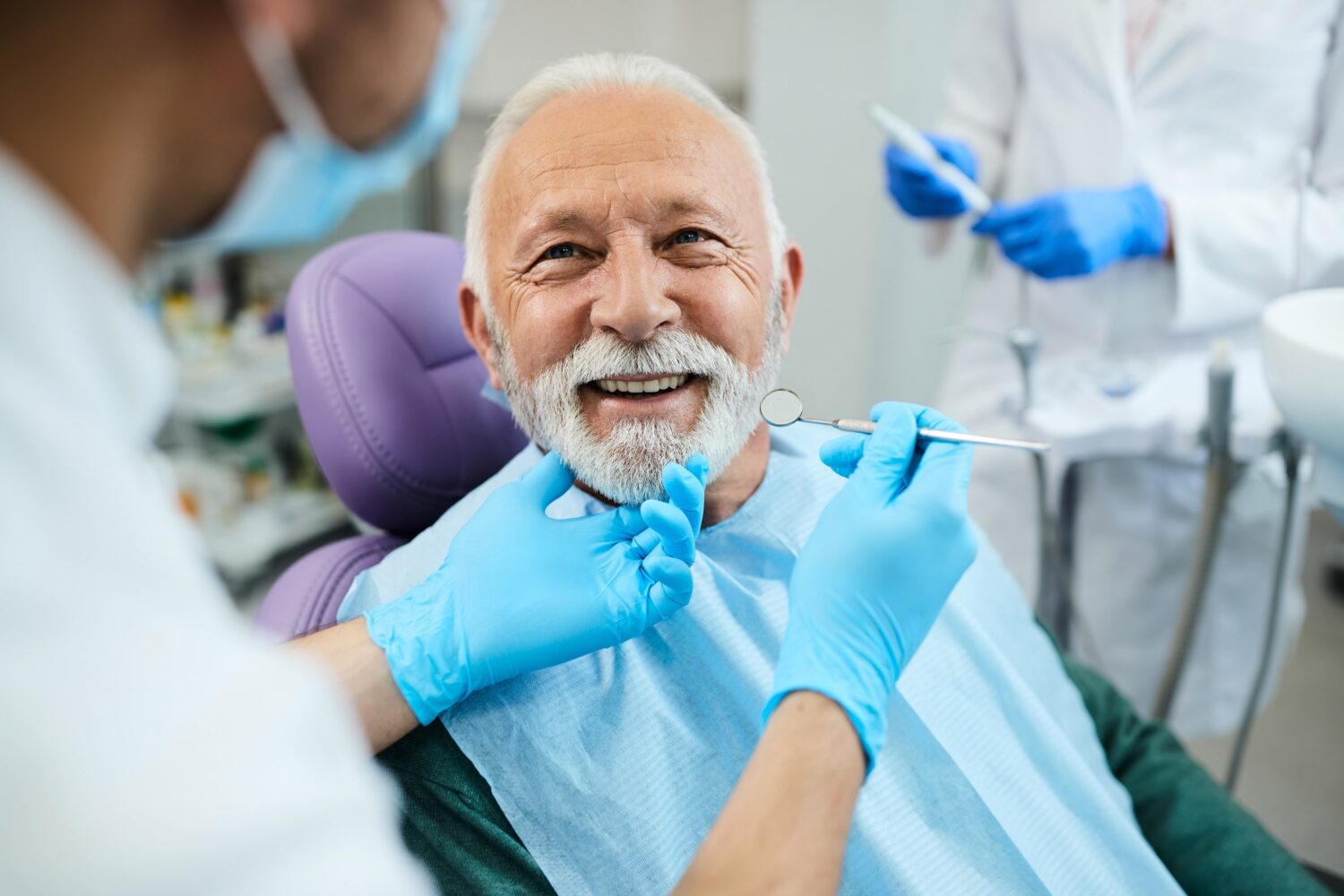
Smoking is damaging to the lungs, but the mouth takes a hit too. The effect of smoking on teeth surprises a lot of people. Sugar is a big problem with dental health, but smoking? It’s one of the top culprits causing oral health damage.
How Does Smoking Affect Your Teeth?
How does smoking affect your teeth? Tooth enamel gets roughed up. Gum tissue loses blood supply. Saliva production drops. Bacteria that cause disease get the upper hand while the ones that don't cause trouble become crowded out. The immune response that should be catching infections early gets knocked down. Left alone, each of those problems makes the others worse, and the whole situation can deteriorate faster than most people expect.
Yellow or brown staining, heavier plaque, a perpetually dry mouth, bad breath that won't leave, and sluggish healing after dental work are what smokers tend to run into first. The longer haul involves deeper issues. Cavities become a recurring problem rather than an occasional one. Gum disease might establish. Bone degeneration can occur, and since the jawbone secures the roots of the teeth, the teeth may loosen. Dentists treat this combination of problems – known as “cigarette teeth” – as a serious issue.
Does Smoking Stain Teeth?
Does smoking stain teeth? Absolutely, and the staining doesn't respond to brushing the way people hope it will. Two substances in cigarettes contribute to it. One is tar, a sticky residue produced when tobacco burns. It’s dark in color and tends to cling to surfaces, which is why it can build up on teeth over time. Then there’s nicotine. When it’s exposed to oxygen, it can take on a yellowish tint. Both tar and nicotine reach into the microscopic pores of tooth enamel, making stains difficult to remove with regular brushing.
Professional teeth whitening can make a visible difference, but smokers aren’t going to get long-lasting results until the smoking ceases. Professional dental cleaning helps to get rid of the tartar where bacteria thrive and the surface buildup that traps that unsightly discoloration. Whitening treats the deeper enamel staining. For most smokers, both treatments are needed to see measurable results.
Does Smoking Cause Cavities or Tooth Decay?
Does smoking cause cavities? Yes. And does smoking cause tooth decay in ways that are a bit different from the usual cavities? Also, yes. The mechanisms are worth understanding.
Saliva is one of the body’s most important and often overlooked defenses in maintaining oral health. It knocks acid levels down, flushes out bacteria between meals, and patches up enamel that's taken a hit from acid exposure. Smoking dries the mouth out, and without saliva doing that work, acid from food and bacteria gets a much longer window to erode tooth structure. Plaque accumulates faster too, and the immune response that would normally keep bacterial numbers manageable gets suppressed right alongside everything else. Those combined factors leave the mouth a significantly more hospitable place for decay to develop and spread.
Root decay, cavities that occur around old fillings, and decay below the gumline that can be hidden during routine exams are all on the table. Once decay has done enough damage, tooth extraction tends to be where things end up. It’s important for smokers to learn how soda affects your teeth, too, because smokers who also drink a lot of soda may compound the progression of damage.
Smoking and Gum Disease (Gingivitis & Periodontitis)
Smoking is a leading cause of bleeding gums, gum disease, and tooth loss in adults. It’s also strongly associated with conditions such as gingivitis and periodontitis. Symptoms can develop gradually, so these issues may progress for some time before they’re noticed.
Smoking weakens the immune system's ability to fight the bacteria driving gum disease, speeds up bone loss around teeth, and allows periodontal pockets to deepen without triggering the pain that might otherwise push someone to call a dentist. Instead, a smoker might notice what seem like milder problems: gum inflammation, halitosis, wiggly teeth, or even gum recession.
What Happens to Your Teeth When You Smoke Long Term?
When someone smokes for years, what happens to your teeth follows a path that gets harder to reverse. Staining deepens and gets harder to treat. Chronic inflammation of the gums may progress to periodontitis. Other results might be loss of jawbone density and ultimately tooth loosening and loss or the need for extraction.
Why is smoking bad for your teeth in the long run? It chips away at the mechanisms the mouth uses to stay functional and healthy. Higher extraction rates, higher implant failure rates, longer dental procedure recovery times, and higher oral cancer risk are all part of the long-term picture.
Why Smoking Slows Healing After Dental Treatment
Smoking compromises both blood supply and immune function. Dry socket, where the clot in an extraction site breaks down before the tissue has healed, is more common in smokers than in non-smokers. Infection rates after procedures are higher across the board. The procedures where this matters most include tooth extractions, gum surgery, implant placement, and deep cleanings. Dentists routinely advise patients to stop smoking before and after these procedures.
Can the Damage Be Reversed?
Quitting helps, and some of the damage does respond to treatment. Surface stains can be reduced with professional cleaning and whitening. Early-stage gingivitis, caught before it progresses to bone loss, can be reversed with consistent care. Blood flow to the gum tissue bounces back relatively quickly after smoking ceases, and that matters for healing and immune response.
Once bone is gone from around the teeth, it doesn't rebuild without significant clinical intervention. Advanced gum disease and structural damage to the teeth need professional treatment to address, and stopping smoking won't undo what's already happened. Quitting smoking does halt further progression of some damage, reducing ongoing risk and allowing the mouth to respond more effectively to treatment.
There are certain habits that can lead to a healthier mouth and harmful dental habits to avoid that may help reverse some damage, but professional dental care will be one of the best solutions for long-time smokers. Smokers require routine dental attention that should also include regular oral cancer screenings.
When to See a Dentist if You Smoke
Some symptoms shouldn't wait for a scheduled appointment six months out. Loose teeth, bad breath that doesn't respond to brushing, visible gum recession, swelling anywhere in the mouth or jaw, and unexplained pain all warrant a prompt call. Natomas Crossing Dental Care is trained to address the specific needs of patients who smoke and provides the monitoring and treatment they require. To schedule an appointment, contact us directly.
FAQs
How long does it take for smoking to damage your teeth?
Smoking causes a decline in oral health quickly, sometimes weeks not months. In days, reduced saliva flow and faster plaque accumulation raise risks. Visible staining happens in a month or two. Gum disease, bone loss, and tooth mobility take years to worsen, which is why professional dentist intervention is so helpful along the way.
Are e-cigarettes or vaping safer for your teeth than cigarettes?
Vaping skips the tar in traditional cigarettes, but the mouth still gets exposed to nicotine and drying chemicals. Vaping isn't considered a safe alternative when oral health is concerned.
Can a dentist tell if you smoke just by looking at your teeth?
Undoubtedly. Staining near the gumline, heavy tartar buildup, gum recession, and signs of periodontal disease are all obvious signs for a dentist.
Does quitting smoking improve your oral health immediately?
Some things improve quickly. Blood flow to the gums picks up within weeks. Inflammation begins to ease. Healing after dental procedures gets better too.
How often should smokers see a dentist for checkups?
The standard every six months schedule is a baseline recommendation for smokers. More frequent cleanings and periodontal check-ins, maybe once every three months or so, may be better. Oral cancer screening at every visit is also important for anyone with a tobacco history.